How We Restore Forests Across the Southwest
We begin every project by working directly with landowners to establish clear, meaningful management objectives—whether the priority is reducing wildfire risk, improving forest health, enhancing wildlife habitat, or protecting long‑term property value. With those goals defined, we conduct rigorous, field‑based data collection to understand the ecological conditions, constraints, and opportunities unique to your land.
Using this foundation, we develop tailored forest management strategies rooted in applied silviculture and ecological restoration. Each strategy is designed to maximize ecological, economic, and social benefits—supporting the health and resilience of your forest today and for generations to come.
We deliver the following services:
Forest management & improvement plans — clear, site‑specific strategies that align landowner goals with ecological needs.
Fuels reduction & thinning — treatments that reduce wildfire risk and strengthen forested communities.
Timber inventory & marking — accurate data and professional marking to guide responsible harvest and stewardship.
Forest health & pest mitigation — integrated approaches to protect high‑value trees and support resilient stands.
Hazard tree assessments — objective evaluations to keep homes, roads, and shared spaces safe.
Stewardship consulting — practical guidance to help landowners understand their forest and make informed decisions.
Contractor coordination & oversight — hands‑on management ensuring safe, efficient, high‑quality field work.
Post‑fire recovery support — clear steps for assessing damage and guiding natural regeneration.
By grounding landowner goals in practical fieldwork and proven ecological principles, Legacy Forest Management helps create forests that are healthier, more resilient, and more closely aligned with their natural function.
Let’s build that legacy together—one acre at a time.
Forest Management & Improvement Plans
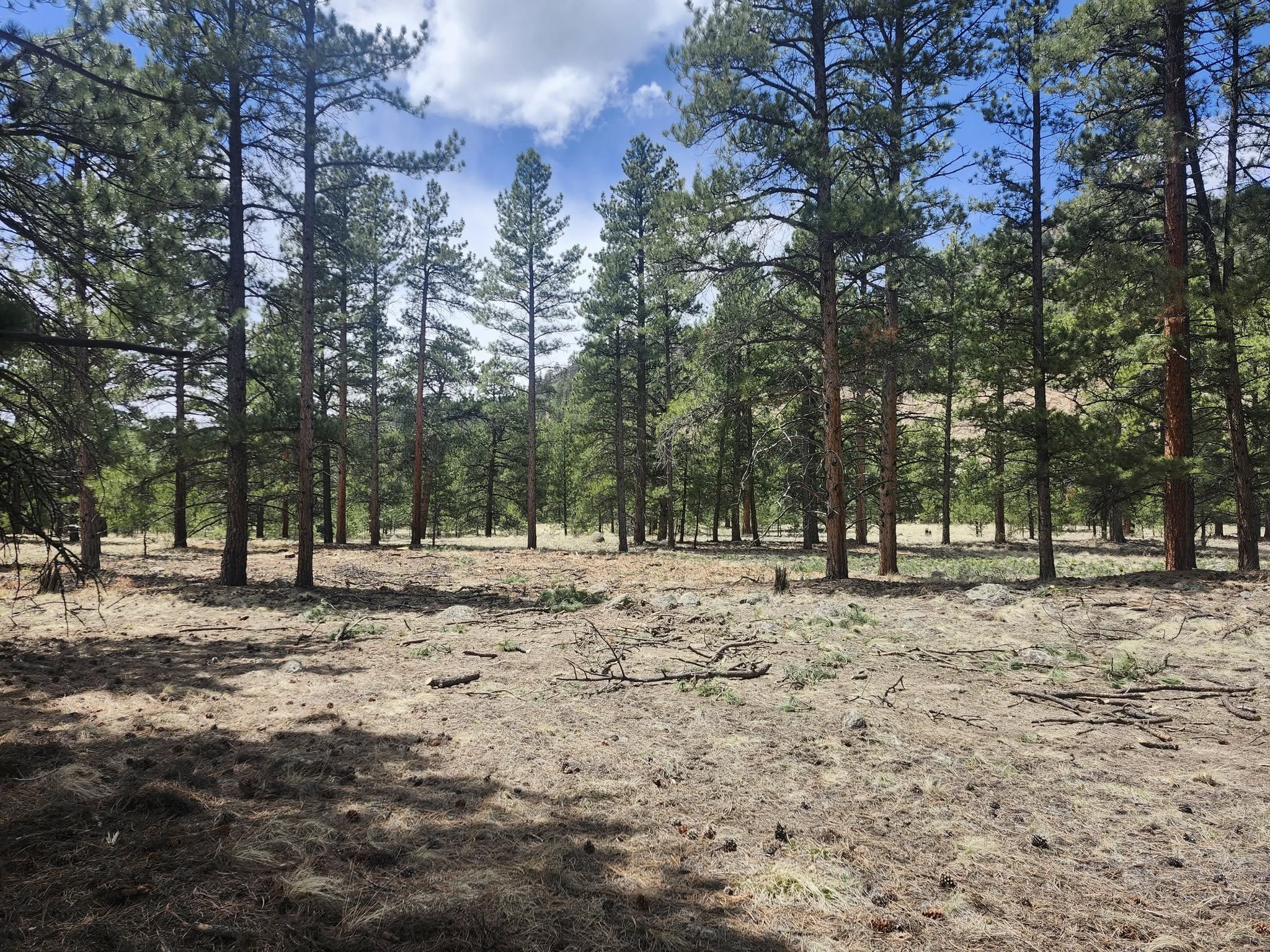
Forest Improvement Plans provide clear, site‑specific strategies that align landowner goals with the ecological needs of their property. They serve as a streamlined, highly practical roadmap—focused on immediate priorities, achievable next steps, and the unique conditions of the site. In contrast, full Forest Management Plans are more comprehensive documents typically prepared to meet the requirements of programs such as the Colorado State Forest Service (CSFS) Forest Ag program or the Natural Resources Conservation Service (NRCS) Environmental Quality Incentives Program (EQIP).
Forest Improvement Plans are often ideal for smaller parcels or for landowners who want actionable guidance without the administrative burden of program‑driven plans. They outline tailored steps based on stand structure, species composition, access, fuels, and operational constraints, offering a clear path forward rooted in practical stewardship. And when the need arises, a Forest Improvement Plan can be expanded into a full Forest Management Plan—giving landowners a flexible, scalable tool that supports informed decision‑making, risk reduction, and long‑term forest resilience.

Forest Health & Pest Mitigation
Integrated approaches to protect high‑value trees and support resilient stands.
Legacy evaluates forest health concerns—including insects, disease, drought stress, and structural decline—and develops integrated mitigation strategies tailored to each property. In the Southwest, bark beetles such as mountain pine beetle, Douglas‑fir beetle, and spruce beetle are among the most significant threats to conifer forests. These insects can rapidly kill stressed or overcrowded trees, especially during periods of drought or after windthrow, fire, or mechanical disturbance.
Our approach combines stand‑level treatments with targeted protection of high‑value trees. For individual trees or small groups, we may recommend the use of semiochemical repellents such as verbenone (used primarily for mountain pine beetle) or MCH packets (used for Douglas‑fir beetle). These products release naturally occurring chemical signals that mimic the beetles’ own communication cues, effectively telling incoming beetles that a tree or stand is already fully occupied and not suitable for attack. When applied correctly and paired with good stand management, these tools can significantly reduce the likelihood of infestation.
At the stand scale, we focus on improving vigor and resilience through thinning, species diversification, sanitation of infested material, and reducing stressors that make trees more susceptible to beetle attack. Whether the goal is to protect a few irreplaceable trees near a home or to strengthen the long‑term health of an entire stand, our recommendations are grounded in current science and tailored to the ecological realities of each site.

Contractor Coordination & Oversight
Hands‑on management ensuring safe, efficient, high‑quality field work.
Legacy provides direct, on‑site oversight to make sure every project is carried out safely, efficiently, and exactly according to prescription. We coordinate with trusted contractors, handle project layout, and maintain clear communication from start to finish so nothing gets lost between planning and implementation. Our presence in the field allows us to monitor progress, address issues as they arise, and ensure that treatments reflect both the landowner’s goals and the ecological intent behind the prescription.
Quality control is built into every step—verifying marking accuracy, checking spacing and fuel targets, monitoring equipment use, and ensuring work meets professional standards. By managing the day‑to‑day details and problem‑solving in real time, Legacy gives landowners confidence that the job is done right the first time, with no surprises and no corners cut. This hands‑on approach protects the landowner’s investment, supports contractor safety, and results in cleaner, more effective, and more resilient outcomes on the ground.

Fuels Reduction & Thinning
Treatments that reduce wildfire risk and strengthen forested communities. While the two are closely related, they serve different but complementary purposes. Thinning focuses on improving stand structure by selectively removing trees to reduce competition, increase spacing, and promote healthier, more resilient growth. Fuels reduction, on the other hand, targets the materials that carry wildfire—ladder fuels, dense understory vegetation, slash, and surface fuels—to lower fire intensity and improve defensible space.
We design and implement targeted thinning and fuels‑reduction treatments that work together to improve forest health, reduce ladder fuels, and create conditions that support healthier, more fire‑adapted forests. Every prescription is tailored to site conditions and landowner objectives, ensuring treatments are both ecologically sound and operationally feasible.
Hazard Tree Assessments
Objective evaluations to keep homes, roads, and shared spaces safe.
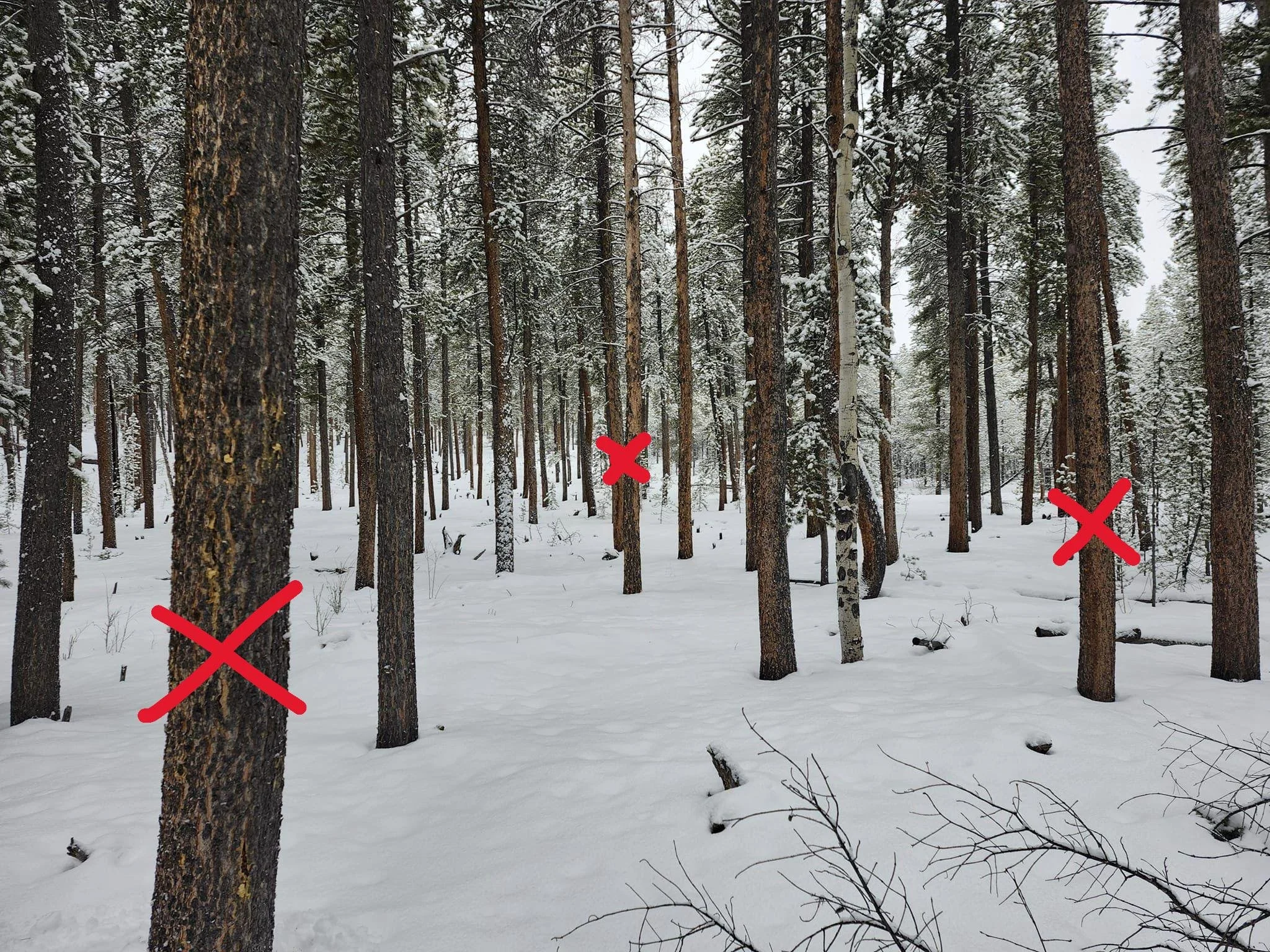
Legacy conducts thorough hazard tree assessments using industry‑recognized evaluation methods to identify structural defects, failure potential, and the level of risk posed to people, property, and infrastructure. Our assessments consider factors such as decay, root instability, crown dieback, lean, site conditions, and recent disturbance events—elements that often go unnoticed until a tree fails.
We provide clear, defensible recommendations that help landowners reduce liability and maintain safe, functional spaces around homes, driveways, trails, utility corridors, and community gathering areas. Whether the concern is a single high‑value tree near a structure or a corridor of trees along a private road, our evaluations prioritize both safety and stewardship. By combining field expertise with practical guidance, Legacy helps landowners make informed decisions that protect people, preserve access, and support the long‑term health of their forest.
Post‑Fire Recovery Support
Clear steps for assessing damage and guiding natural regeneration.
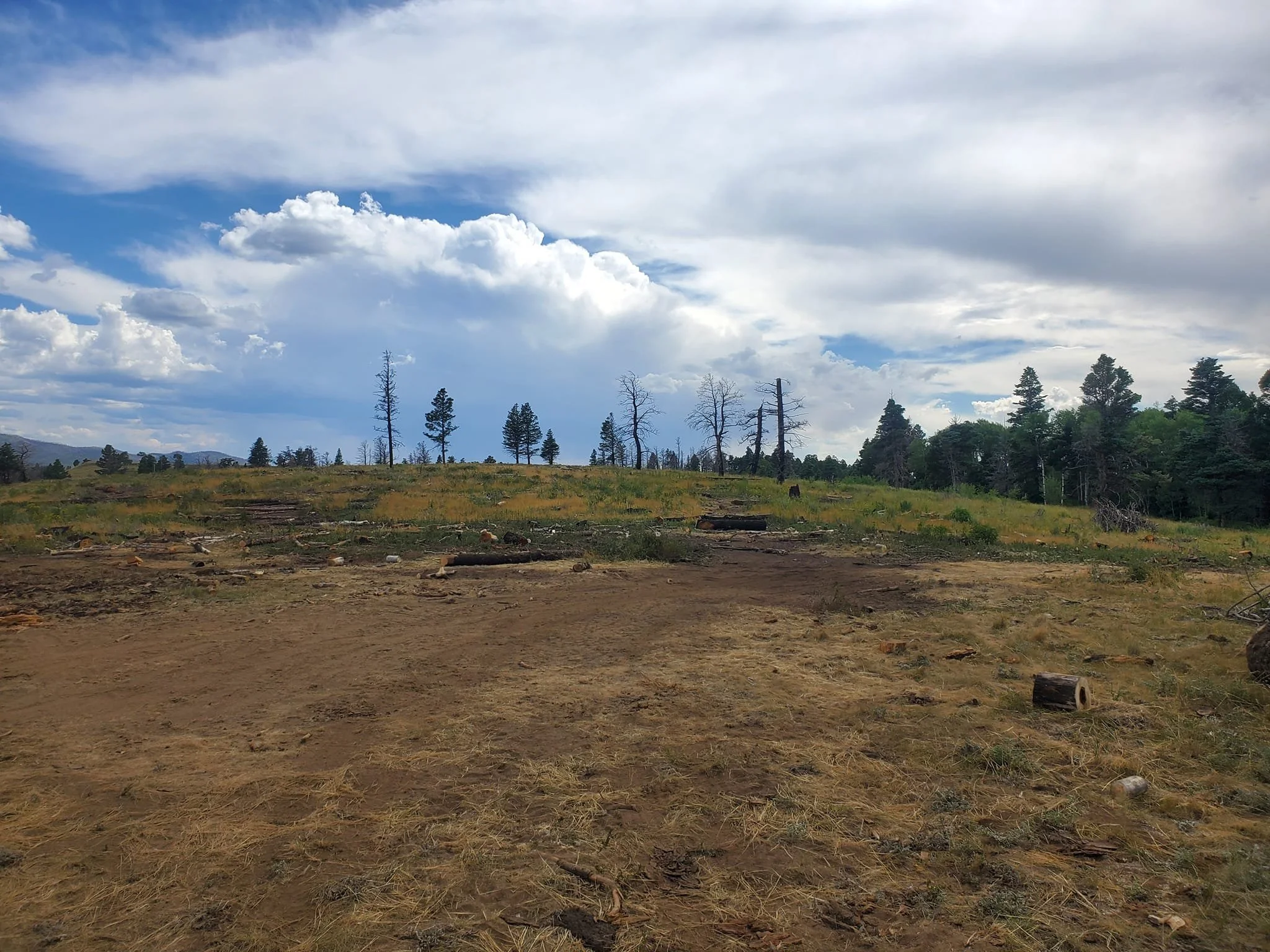
Wildfire leaves landowners facing a complex mix of questions—what survived, what’s unsafe, what will recover on its own, and where intervention is needed. Legacy provides structured, science‑based support to help landowners make sense of post‑fire conditions and chart a realistic path forward. We begin by assessing burn severity, evaluating tree survival, and identifying areas where heat intensity, soil impacts, or canopy loss may influence long‑term recovery. This includes examining root stability, scorch height, cambium injury, and early indicators of delayed mortality.
From there, we outline both immediate and long‑term recovery needs. Our guidance covers erosion control to protect soils and waterways, hazard mitigation to address fire‑weakened trees near homes or access routes, and reforestation considerations based on species suitability, seed sources, and site conditions. We also emphasize strategies that support natural regeneration—recognizing where the forest is likely to recover on its own and where targeted assistance will accelerate resilience.
By combining ecological insight with practical, on‑the‑ground recommendations, Legacy ensures the land begins its recovery on a stable, resilient path, giving landowners clarity and confidence during a challenging time
Timber Inventory & Marking
Accurate data and professional marking to guide responsible harvest and stewardship.
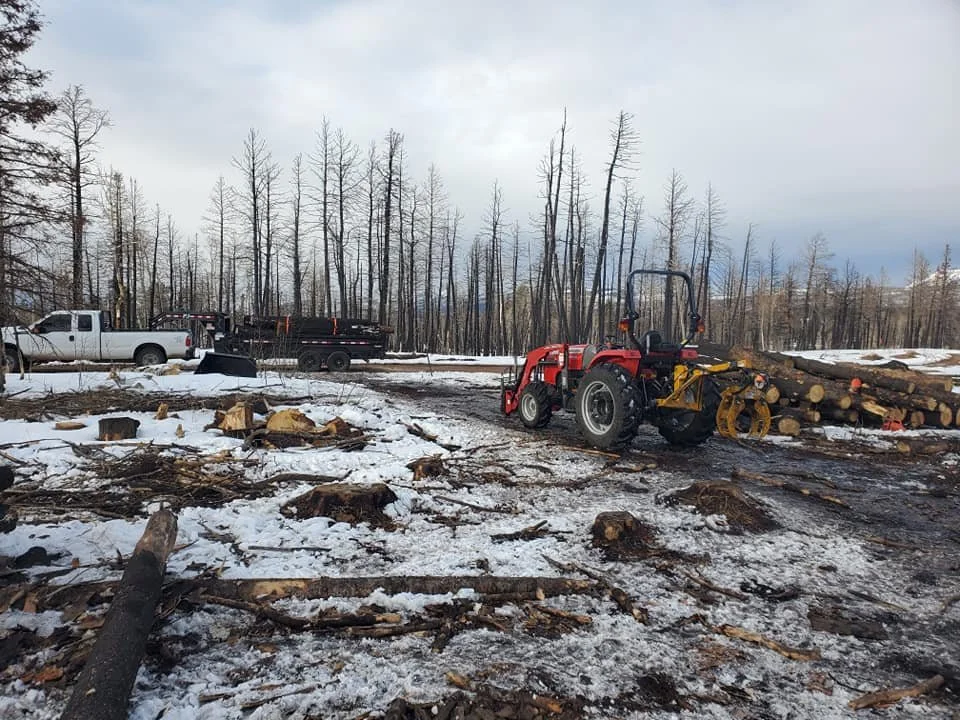
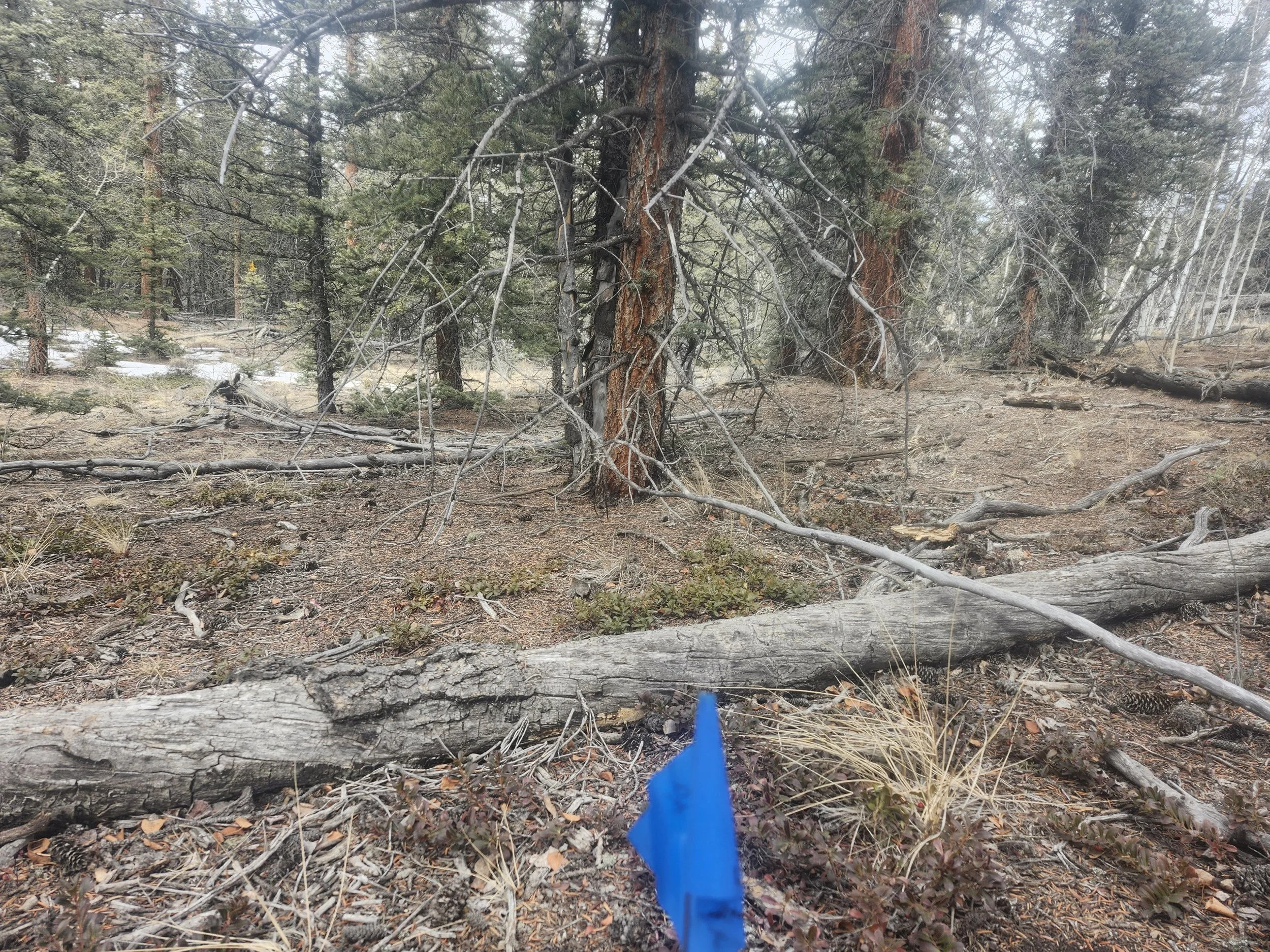
Timber inventory and marking aren’t just for large ownerships—they’re essential tools for any landowner who wants to make informed, responsible decisions about their forest. Legacy provides precise timber inventories using industry‑standard sampling methods to quantify volume, density, species distribution, and overall stand condition. Even on small parcels, this information helps landowners understand what they have, how their forest is growing, and what management actions will provide the greatest benefit.
When marking is needed, we apply silvicultural principles and the landowner’s goals to identify trees for removal or retention. Professional marking ensures that thinning or harvest activities improve stand health rather than unintentionally creating gaps, damaging regeneration, or removing the wrong trees. On smaller properties—where every tree plays a larger role in aesthetics, privacy, habitat, and long‑term structure—thoughtful marking is especially important.
Together, inventory and marking provide a clear, defensible foundation for stewardship: they reduce uncertainty, support responsible harvests, improve forest health, and help landowners get the most value—ecological, financial, and personal—from their land

Stewardship Consulting
Practical guidance to help landowners understand their forest and make informed decisions.
Legacy offers one‑on‑one consulting designed to give landowners clarity, confidence, and a deeper understanding of their forest. We help you interpret what you’re seeing on the ground—tree health, stand structure, regeneration patterns, fuel conditions, insect activity, and the subtle ecological cues that shape long‑term forest dynamics. Our goal is to translate complex ecological processes into clear, practical insights you can use.
Whether you’re new to forest ownership, navigating a recent disturbance, or refining long‑term stewardship goals, we provide tailored guidance that fits your property and your priorities. We walk through management options, discuss trade‑offs, and outline realistic next steps so you can make decisions rooted in both science and the unique character of your land. Legacy’s consulting approach empowers landowners with the knowledge they need to care for their forest with intention, resilience, and long‑term vision.
Access, Layout & Operational Feasibility Assessments
Practical evaluations that determine what’s possible on the ground—and how to get it done safely and efficiently.
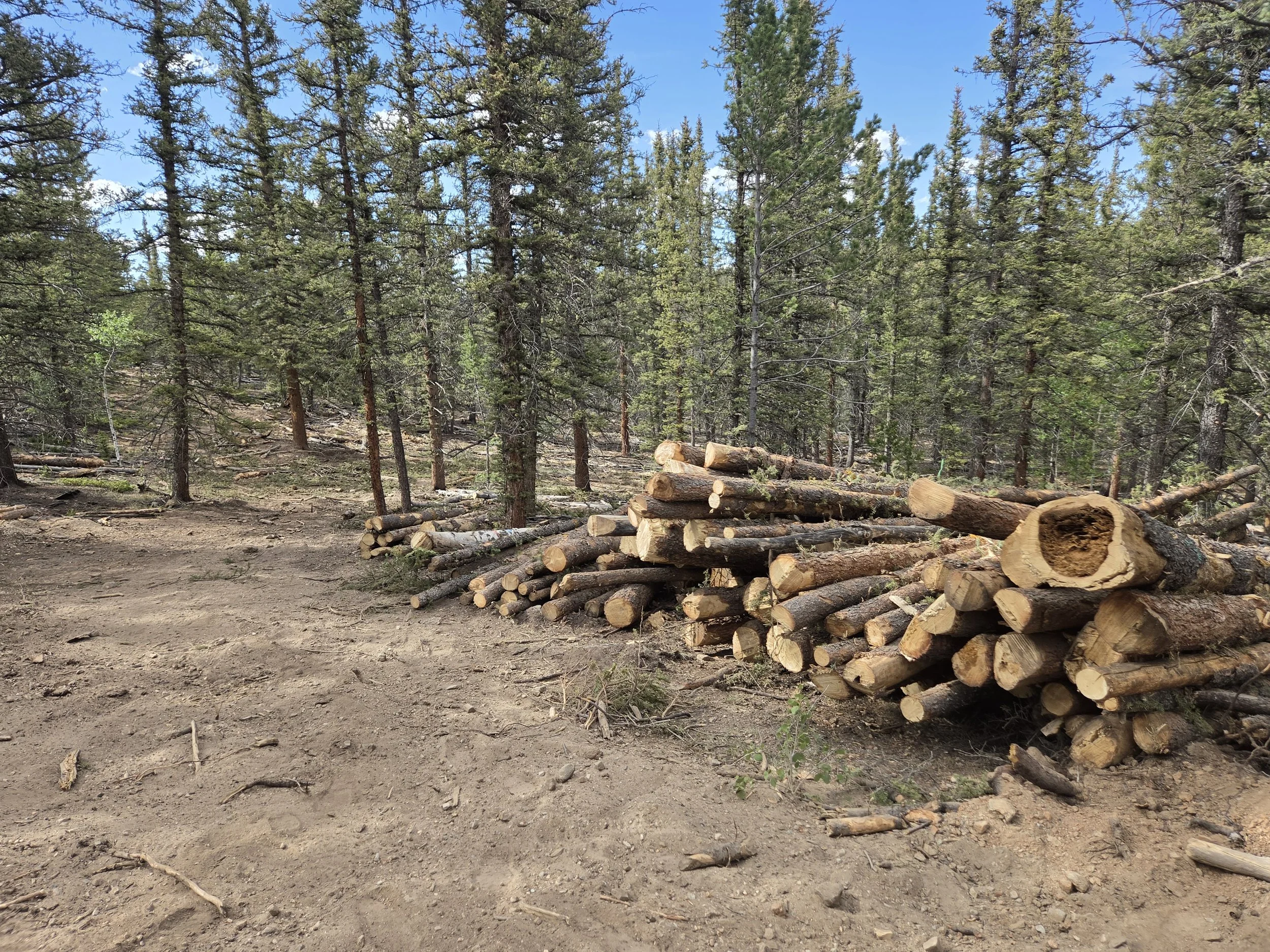
Legacy provides detailed assessments of access, terrain, and operational feasibility to help landowners understand how treatments can realistically be implemented on their property. We evaluate road and trail conditions, slope and aspect, equipment limitations, landing locations, choke points, and seasonal constraints that influence project timing and cost. This service is especially valuable for landowners considering thinning, fuels reduction, or harvest activities but who need clarity on what’s operationally achievable before committing to a plan.
Drawing on extensive field experience in both utility vegetation management and traditional forestry operations, we identify opportunities, constraints, and the safest, most efficient pathways for completing work. Our assessments help landowners avoid costly surprises, improve contractor coordination, and ensure that planned treatments align with the physical realities of the site. The result is a clear, grounded understanding of what can be done—and how to do it right the first time